Water is patient. It will find the same small opening season after season until a repair becomes a rebuild. Recognising the early signals of a tired roof is the cheapest form of home maintenance there is, and it is something any homeowner can learn to read.
What your roof is trying to tell you
Most roofing trouble announces itself long before a ceiling stain appears. The trick is knowing where to look, and looking at the right time of day. A quick inspection after heavy rain — from the ground, with binoculars in most cases — reveals far more than any mid-summer glance.
The signals worth acting on
- Granules in the gutter. Shingle surfaces shed grit as they age. A steady trickle after each storm means the protective layer is going.
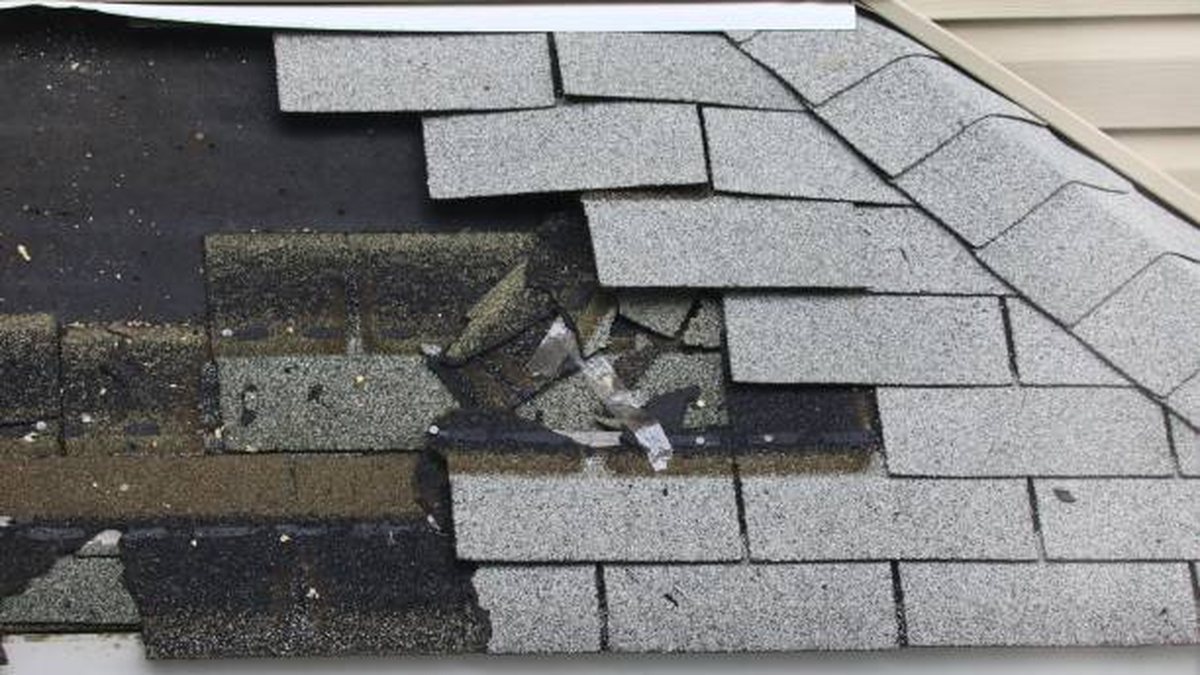
- Curling, cracked or missing shingles. Wind and thermal movement lift edges, and water gets in below them.
- Dark streaks and patches. Algae, moss or trapped moisture — all of which hold water against the roof surface.
- Sagging rooflines. Usually a sign of long-term moisture in the decking rather than a surface problem.
- Daylight or damp in the attic. Any visible gap is a leak path, even when nothing is dripping yet.
- Flashing that has lifted or cracked. Chimneys, vents and valleys are where most leaks actually begin.
- Pools forming in the yard or garden beds. Blocked gutters backing water up under the roof edge.
What waiting really costs
Delaying roofing work rarely saves money. Small repairs escalate in a predictable order: surface damage becomes saturated underlayment, saturated underlayment becomes soft decking, and soft decking becomes stained ceilings, damaged insulation and mould inside the home. Each stage reaches deeper into the structure and takes longer to put right.
A roof that is inspected annually is a roof you almost never replace in an emergency. The cheapest roofing decision is nearly always the early one.
Choosing the right roofing system
Material choice depends on your roof's pitch, the local climate and how long you intend to stay. We walk through the options with homeowners rather than prescribing a single answer:
Architectural asphalt shingles
The most common residential choice: excellent weather resistance, deep shadow lines and straightforward repairs for decades of service.
Standing seam and metal systems
Very long service life, low maintenance and efficient at shedding snow and rain — ideal where the pitch is moderate.
Flat and low-slope membranes
For porches, extensions and garages. Seams are heat-welded or bonded, and drainage is designed rather than assumed.
Tile, slate and composite
Chosen for character and longevity. Heavier, so structure and fixings are assessed before anything is specified.
Ventilation is half the job
A new roof on an unventilated attic will still trap heat and moisture. Balanced intake at the eaves and exhaust at or near the ridge lets warm air leave, which keeps shingles cooler from underneath, reduces ice damming in winter and protects insulation from damp.
- Check that soffit vents are clear of insulation and paint.
- Match intake and exhaust capacity so air actually moves rather than stalls.
- Vent bathroom and kitchen fans to the outside — never into the attic space.
Planning the work around family life
Roofing is mostly an outdoor job, which is good news: interior disruption stays low. We still plan carefully, protecting planting and driveways, scheduling noisy work sensibly, and letting you know which days trades will be on site. Neighbours are informed in advance out of simple courtesy.
How to begin
Send us the symptoms you have noticed — streaks, granules, damp, or simply the age of the roof as far as you know it. We will inspect the roof, document what we find in photographs, and talk through whether repair, partial replacement or full replacement is the honest recommendation.