Every home loses energy somewhere specific, and the fix is rarely the most glamorous one. Working in the right order — shell first, systems second, generation last — means each upgrade supports the next instead of duplicating it.
Work from the outside in
Efficiency projects fail when they are treated as a shopping list. A new heating system in a draughty house still heats the street. Solar panels on an under-insulated attic still leave cold rooms. Sequencing the work — shell first, systems second, generation last — means every upgrade makes the next one simpler and more effective.
Start with the shell: windows, doors and draughts
The fastest comfort gains usually come from the openings. Replacement windows with insulated glass, sealed frames and correctly adjusted hardware stop the two-way leak that makes rooms feel cold in winter and stuffy in summer.
- Draught-proof loft hatches, external doors and service penetrations before touching anything expensive.
- Replace single glazing with insulated units on the sides of the home that face prevailing weather.
- Repair and repaint timber frames that are sound; replacement is not always the answer.
- Add external shading to west-facing glass so summer heat is stopped before it enters.
Insulation and ventilation belong together
Insulation slows heat movement; ventilation carries away the moisture that would otherwise condense inside the structure. Do one without the other and you get either a cold home or a damp one. Attic, wall and floor insulation should always be paired with a deliberate air path through the building.
Signs your home is telling you the order
Cold floors above a ventilated crawl space point to floor insulation. A hot upstairs in summer points to roof ventilation and shading. Rooms that stay humid long after a shower signal extraction problems rather than heating problems. Read the symptoms and the priority list writes itself.
Then the systems: heating, cooling and controls
Once the shell holds warmth, right-sized equipment works far less hard. Zoned controls let you heat the rooms you use instead of the whole building, and smart thermostats make the schedule match family life — warm before the morning routine, cool through the night.
- Right-sizing matters more than raw capacity; oversized equipment cycles and wastes energy.
- Service equipment annually so it keeps its rated efficiency.
- Programme by occupancy, and let setback periods do the quiet work overnight.
Solar makes sense once demand is honest
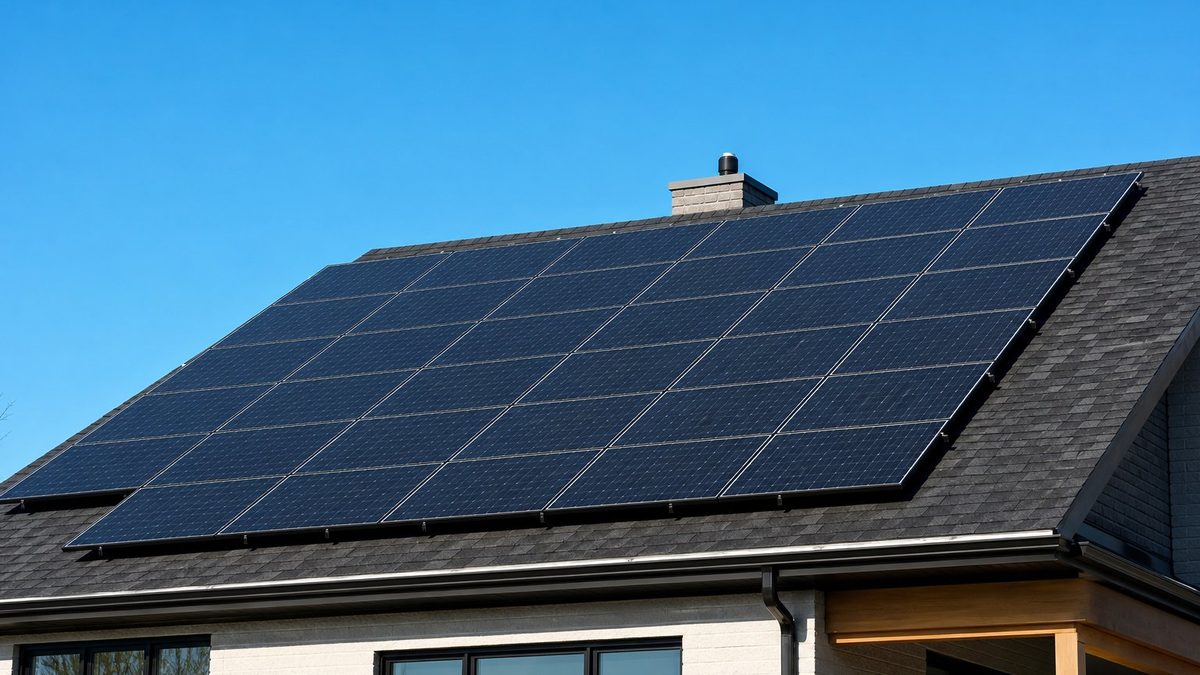
Solar is at its best once the building is not wasting energy. We assess roof orientation and condition, shading through the seasons and your household's real usage pattern, then size the array around that picture rather than around roof area alone.
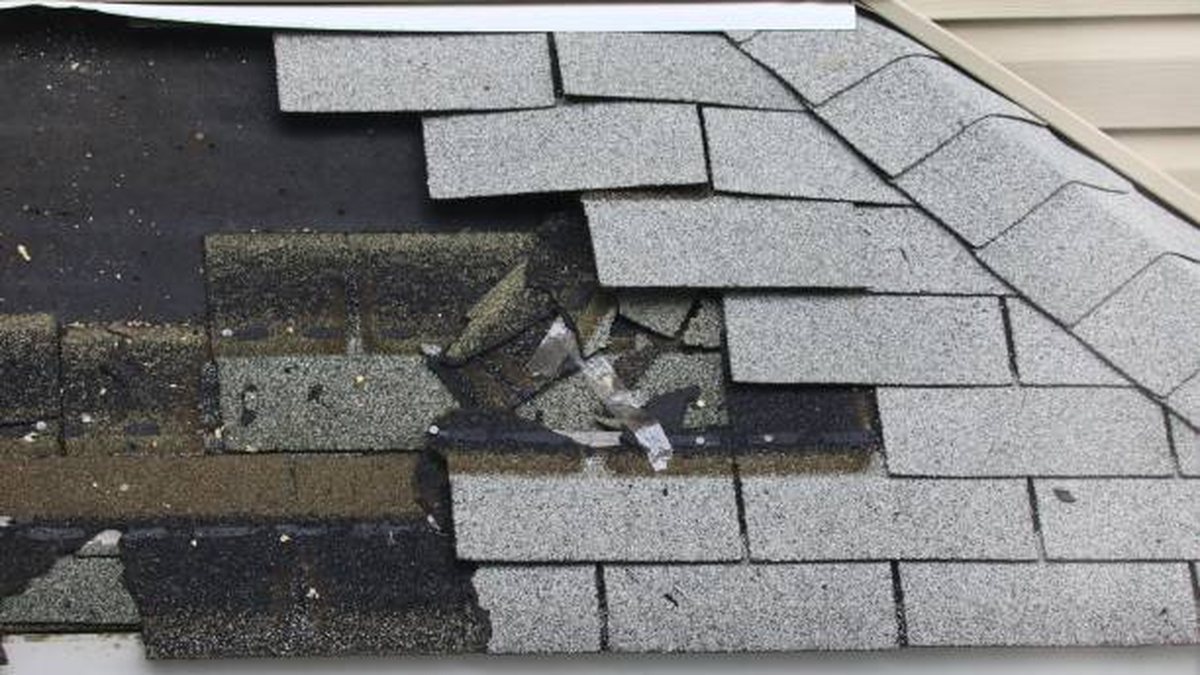
- Fix roofing problems first — removing panels later to repair underneath is expensive.
- Shift heavy appliance use into daylight hours to use generation directly.
- Keep monitoring simple: a single clear readout you will actually look at.
Battery-ready now, storage later
Even when storage is not part of the initial budget, the wiring and inverter choice should prepare for it. That means conduit, capacity and positioning decided at installation time, so batteries can be added in a future season without opening walls or re-running cable runs.
Building a sensible order of works
Shell, then systems, then generation. Comfort improvements you can feel immediately come first, and the upgrades that depend on them come last.
- Draught-proofing and window replacement
- Attic, wall and floor insulation with proper ventilation
- Heating, cooling and zoned controls
- Solar generation with battery-ready wiring
- Bathroom, kitchen and flooring upgrades that make the comfort visible
Tell us how the house behaves through the year — which rooms are cold, which are stuffy, where the sun makes life difficult — and we will map that onto a sequence that fits your budget and your household.